Designing events for trust
How Brands use Roadshows to Connect to Customers
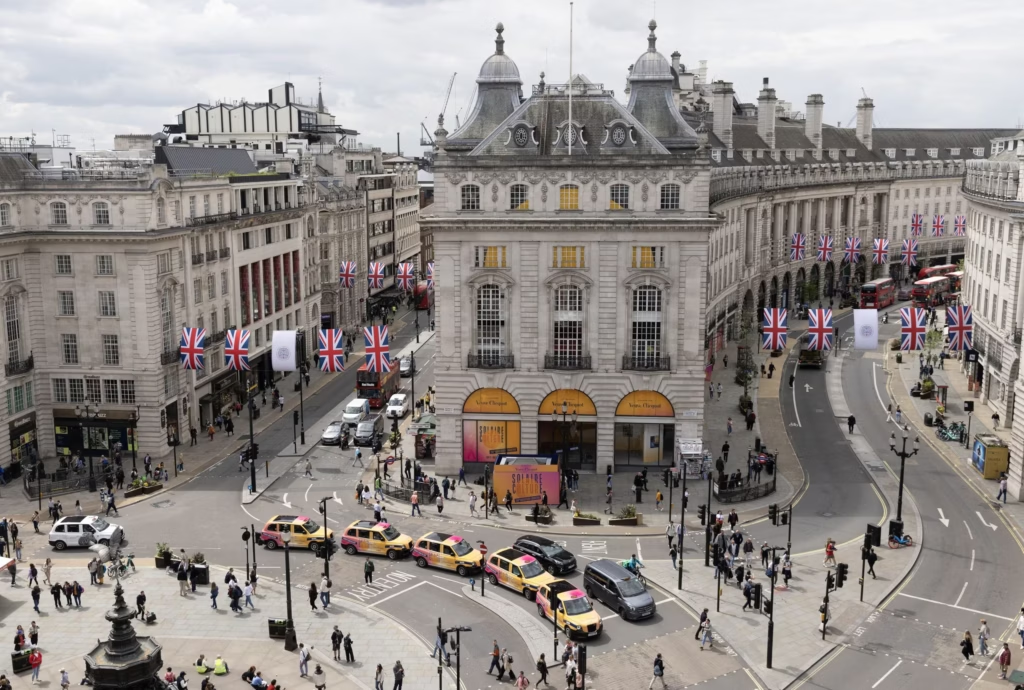
Brands are taking the show on the road and meeting audiences where they are when it comes to their event strategies, utilising the power of roadshows – a series of events designed to reach audiences IRL across multiple locations. Event planners are no longer relying on a static timeframe and location to gather customers together but rather bringing their brand directly in front of their audiences.
And it’s no wonder these series are effective in the modern marketing world where attention is harder to earn than ever with the average consumer seeing thousands of ads every single day. Marketers are moving towards higher attention formats to bridge the gap between exposure and engagement and meet the demand for human connection. Roadshows are the perfect combination of experiential and creative campaigns – a vehicle for brand building that facilitates memorable, personal experiences that digital channels can’t replicate.
Why you should be implementing roadshows into your event strategy
• Build your brand: Rather than scrolling past, audiences are invited inside a brand world they can’t resist stopping by. Everyday locations for your audience are transformed into brand touchpoints.
• Grow a brand community: Roadshows create the opportunity to invite new members into your brand community and form connections.
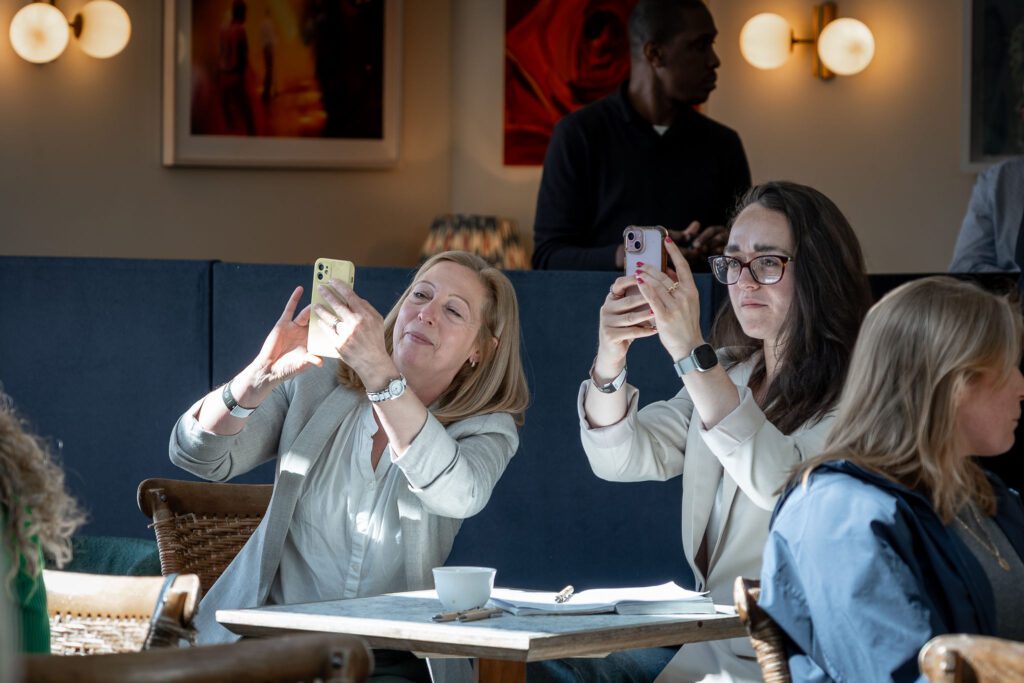
• Amplify your marketing message: target markets and facilitate user generated content that is shareable across social media to spread the word.
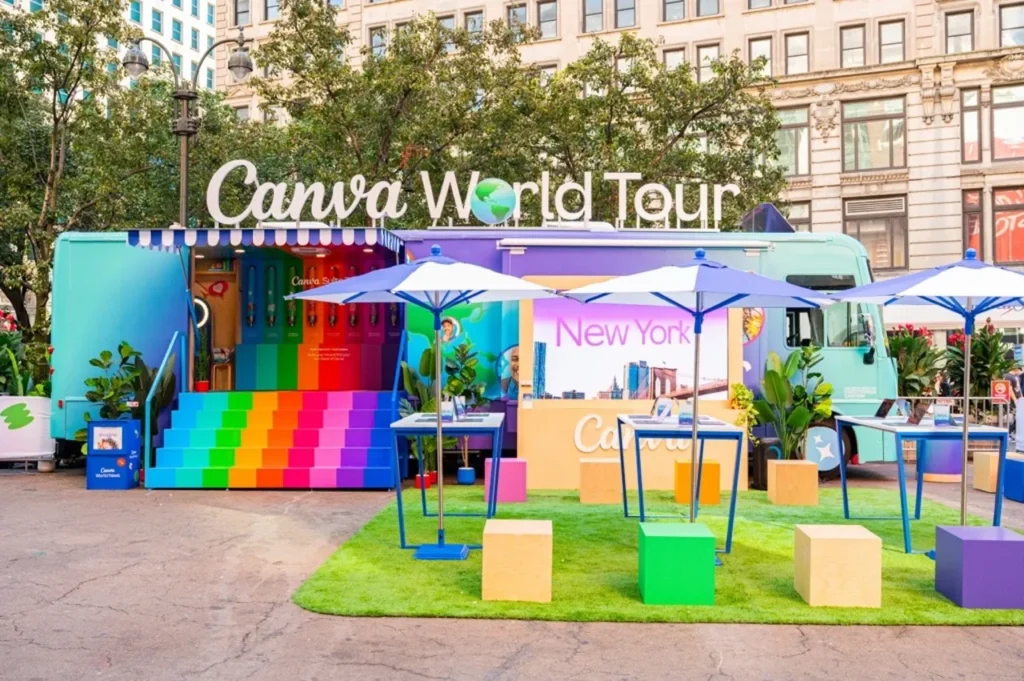
Spotlight: What we can learn from the Canva World Tour
Canva hit the road with the launch of the Canva World Tour, embodied within the Canva Brandwagon, a mobile studio and community gathering space that made a whirlwind tour of over 40 cities on a global mission to train 1 million people on the platform. They utilised local partnerships, such as Flodesk’s Creative Fuel coffee bar, to provide experiential offerings and expert learning. Every event carried its own local energy and cultural flair, shaped by Canva’s regional teams.
Attendees were able to get hands on with tangible experiences such as merch, a sweets station, and a content studio as well as going on a journey through the brand world where they could collect passport stamps at each stop. Bringing a digital brand, like Canva, to life in a physical environment enables attendees to form an emotional connection that they wouldn’t usually be able to, with live demos and free samples motivating audiences to invest in a product.
Canva’s Global Head of Experiential Marketing said “thinking about how to make creativity more accessible, tangible, and human – and how to meet our community where they are. The Canva World Tour was our chance to do exactly that: to step outside our screens and into the real world, bringing Canva to cities, campuses, and communities around the world”.
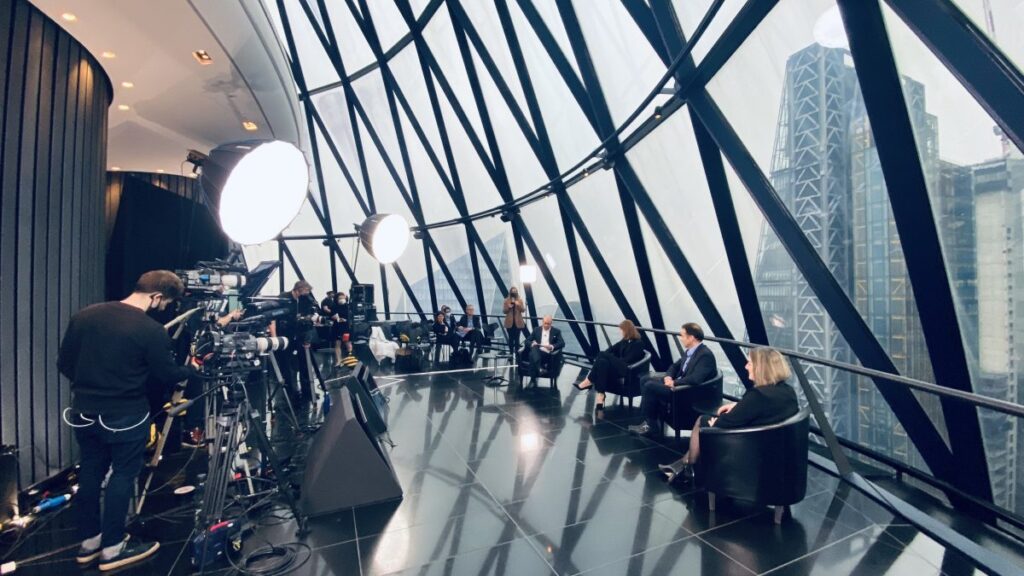
How does this translate to B2B? Spotlight: Moody’s Credit Trends
The B2B events landscape is evolving, taking cues from B2C by placing greater emphasis on experience, relevance, and relationship-building. Decision-makers may be driven by data and insight, but they are still people – and the most effective B2B brands understand the value of building trust, familiarity, and long-term affinity through meaningful experiences.
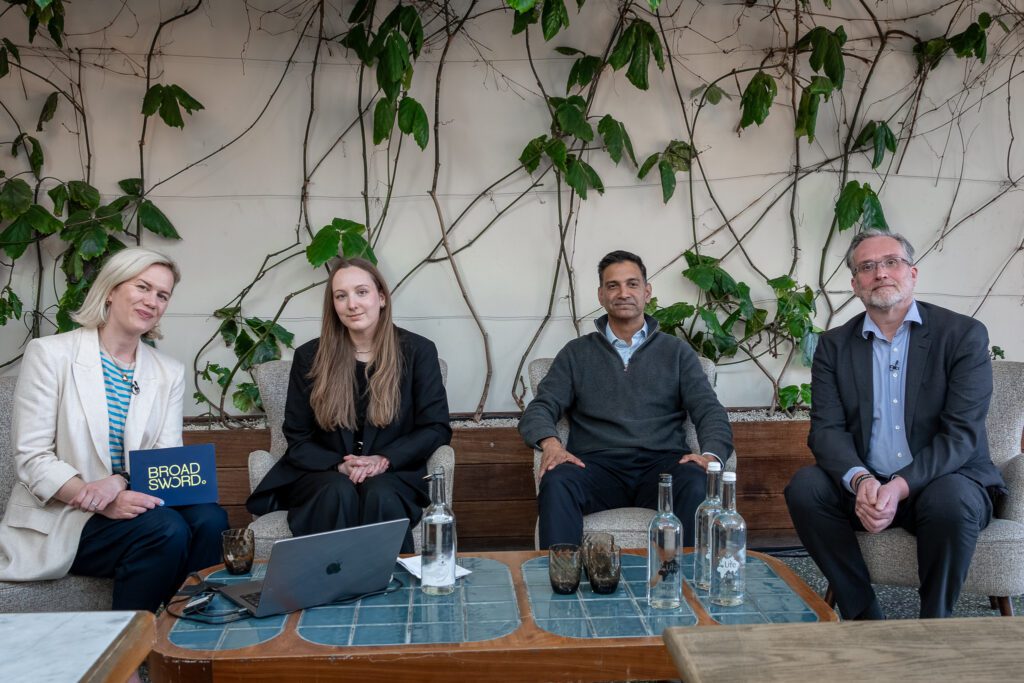
Broadsword has worked with Moody’s as their event partner for over a decade and, following the pandemic, was tasked with elevating their award-winning Credit Trends series. Credit Trends is Moody’s flagship insights event for global credit market experts – traditionally delivered through a European-focused programme.
The challenge was to transform Credit Trends into a global road show, expanding its reach while maintaining consistency, authority, and relevance across markets.
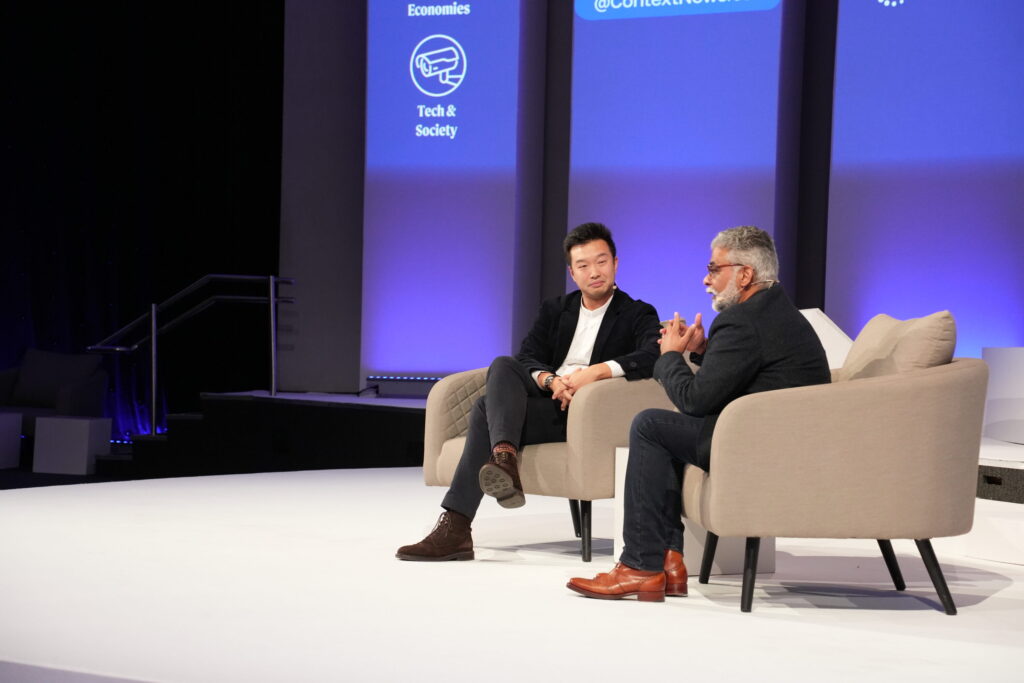
Drawing inspiration from broadcast news formats, the series was reimagined as a flexible, multi-market experience combining live events, hybrid formats, and studio-style broadcasts. This approach allowed Moody’s to meet audiences where they are – geographically and digitally – while delivering timely, market-specific insights with a recognisable global identity.
By adapting the format for each region and leveraging local expertise, Credit Trends became an annual go-to moment for the global credit community. The roadshow model enabled Moody’s to scale thought leadership, deepen engagement, and stand apart in a crowded financial services landscape, proving that B2B roadshows are about access, relevance, and connection at scale.
How to create a successful roadshow strategy:
– A clear objective: Think about the purpose of your roadshow and what touchpoints could contribute to this. Are you trying to drive trials via QR code sign-ups on site? Or boost brand awareness with user generated content? Having clear objectives from the start enables you to create consistent communications and an environment with a seamless and strong brand identity.
– Make multisensory moments: A roadshow enables you to invite audiences to be part of a brand world and community, giving them the opportunity to engage with your brand in a way that is meaningful. Consider how to implement sound, tactile experiences, that increase engagement and recall far more than visuals alone could. A space audiences actually want to explore, when visitors can touch, hear, interact, experiment, and move through the space, they stay longer and engage with your brand in more ways.
– Creative concept: shape your roadshow around a creative theme. Pop ups are an opportunity to take a bold and imaginative approach to brand building that resonate with your audience. When you see a pop up it often comes with a theme, whether it be an immersive hotel, a seasonal campaign, or back 2 school campus roadshows.
– Digital amplification: A roadshow can be a really effective tool thanks to the social media moments that come from it, with every stop generating content. We’ve often installed on site content studios and Instagrammable installations at our client events with the wider communications strategy in mind that help roadshows have the most impact.
– Tap into local relevance: When it comes to large scale, global event campaigns, planners should be combining both global brand consistency as well as local relevance through personalised touchpoints. Utilise the knowledge of your local teams when crafting your roadshow strategy and design each hub to bring relevance to your community. Showing up in where your audience live, work, and play and partnering with their local brands, experts, and regional teams ensures you stay top of mind and build positive associations.