Impactful Charity Events: The Guide
Events in a Digital World: a guide to event technology

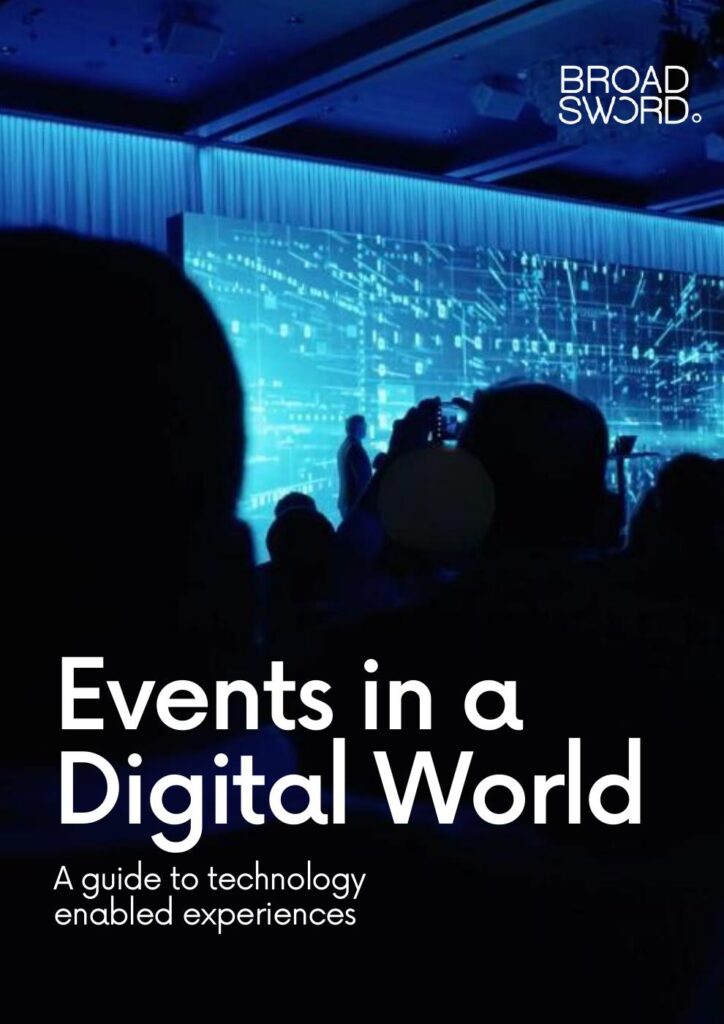
The world of event technology has evolved rapidly over the past few years, with cutting edge tools emerging at an unprecedented rate. To navigate this changing landscape, many organisations need to balance innovation with constraints and face a crowded digital world where communications need to be bold, brave, and bespoke. Download the full playbook for insights on AI, event apps, gamification, virtual platforms and more here.
When our clients ask for, not good or great events, but WOW – we know what they mean. It’s something you haven’t seen before, that you can’t quite figure out how it’s been done, and that stays in your mind even after the event has come to an end. In a digital world, where wow is on every screen, creating a stand out effect is more difficult than ever.
Virtual and augmented reality present new opportunities to create interactive event spaces using mobile phone AR experiences to interactive digital experiences.
To encourage the audience at Taylor Wessing’s partner’s conference to See Beyond, Broadsword created an event with a MetaHuman host at its centre. With the live human host backstage wearing a motion capture suit, the MetaHuman came to life and was amplified by the huge LED wall as a realistic avatar. The avatar could respond in real time, interacting live with the audience and answer questions. See Beyond also extended to our opening animation in which we used 100 AI generated images to create thousands of frames for our camera to fly through in an endless loop of portals.
How event planners are using AI
With tight deadlines and unexpected tasks, don’t we all need an assistant when planning events? Generative AI, including ChatGPT, Claude, and MidJourney can create new content such as text and images through learning from online examples. This can be used in a number of ways to automate and streamline tasks, increase efficiency, and assist creativity.
- Summarise large amounts of information into concise actionable insights – contracts, briefs, large amounts of data such as feedback. Planners can quickly summarise and analyse this feedback, or identify common themes.
- Brainstorm: No more staring at a brief. AI can generate creative ideas for themes and stage designs based on current trends and client preferences to assist creative thinking.
- Translate: AI translation models exist to generate text in one language based on input text in another – streamlining the creation of content for global audiences.
- Create content: write content for promotional materials such as emails and session descriptions, repurpose to create content at scale and promote your event
- Organise: Organise your tasks into a schedule with automating calendar management and creating organisational tools such as gannt charts.
- Recommend: AI can enhance engagement by dynamically generating tailored content based on attendee preferences to create personalised experiences. From recommending sessions based on interests to networking opportunities based on job titles or even speaker questions.
However an assistant is exactly what it is – always remember to fact check, be transparent about your use of AI, and combine the results with your own human creativity. In the era of AI, “quality events and content” seems to means one thing: human creativity and expert perspectives. Internal expertise, thought leadership, and specialised speakers bring first-hand experience and trust to your content. As always, it’s extremely important to create an event identity that resonates with your audience. There is a perception that B2B communications must inform and not entertain. Bravery in a B2B world often lies in leaning into the power of emotion and appealing to human drives such as humour, relatability, and personalisation.
Forecasting The Future: The Power of Predictive AI
Generative AI creates something new – writing, code, images, even Harry Styles’ voice with Taylor Swift’s songs. This type of AI is useful for aiding in tasks usually handled by people and creating more efficiently. But it does come with copyright and deepfake dangers.
Predictive AI, in comparison, has potential to deliver more value as it can analyse billions of data points that our human eyes cannot. It forecasts future outcomes based on existing data and patterns. A ‘products you might like’ section is predictive AI at work.
For event and marketing professionals, predictive AI is a huge opportunity to dive into consumer behaviour, market themes, and sentiment and really understand them.
– Understand the pain points in an event or the sentiment that happened in relation to a certain stage of the event.
– Detect negative tone of voice in campaign copy to ensure marketers are evoking the emotion and action they are aiming to.
– Predict which content is most relevant for each individual to provide customers can receive better recommendations.
Are virtual events here to stay?
Throughout the pandemic, the events world was pushed into exploring the digital world further than ever before. Broadsword continued to connect people together through virtual event solutions and it proved to be valuable post-pandemic. Although originally born out of necessity, many events continue online (10% of Broadsword’s events) to reap the benefits of a more sustainable and accessible approach that is able to connect countless global employees or attendees without need for travel. Hybrid, and broadcast approaches have emerged that combine the best of both worlds by integrating digital with physical. How can we further utilise technology to create immersive, engaging, and personalised experiences online?
Attendee expectations go beyond a dull webinar – they seek experiences that extend the main event, with pre and post event access channels, topic themed breakout rooms, hideaways, and subject specific online networking communities that enrich the overall experience.
This B2E sales kickoff catered to a global remote workforce of over 8,000 people. Focused on uniting these attendees together, Broadsword’s creation of an engaging event platform allowed attendees to participate and interact live. Over 95% of employees attended the virtual conference, spending over 10 hours online, contributing content, taking part in virtual wellness clubs, and networking across departments and regions.
Using Data to Maximise Event Experiences
There is a lot we can learn from the data collected at events that inform the decisions we make as organisers about how to shape the content and format of an event to provide the best delegate experience. Feedback alone is an integral tool to planners and stakeholders to understand audience needs and evidence ROI, but as attendees are expecting a more personalised experiences – how can harnessing data go beyond surveys?
Many planners struggle to prove ROI from events – most measuring attendance, or repeat attendance. Return on engagement has emerged as a more relevant metric. Different objectives result in different outcomes. If you are planning an event based on thought leadership positioning, it could be having many digital touch points throughout the event to show where audiences are engaging such as attending a session or downloading information.
An event app provides the opportunity to springboard engagement with your brand, from an already captive audience who have invested either time or money into your event. Personalisation goes a long way here – think about using AI to direct attendees to tailored content and match attendees to sessions and groups. In app games and points leaderboards, live polling, real time notification updates, and easy access to event information and agendas are all ways an event app can be an indispensable tool for event engagement.
- Make sure it’s user friendly and intuitive – users can tailor their experience by adding sessions to a custom schedule.
- Create an interactive experience, with in-app clubs, networking suggestions, and challenges such as a scavenger hunt or audience choice awards.
- Your event hub is a great way to collect live data and feedback to calculate return on investment.
Broadsword is a global event agency leading a mission to create experiences that inspire positive change. We provide seamlessly integrated event technology to maximise the impact of meetings and events of all shapes and sizes – virtual and hybrid events, webinars, broadcasts, and live experiences. Discover our event technology services here.
Related insights
How to make your event work harder: before, during, and after the day
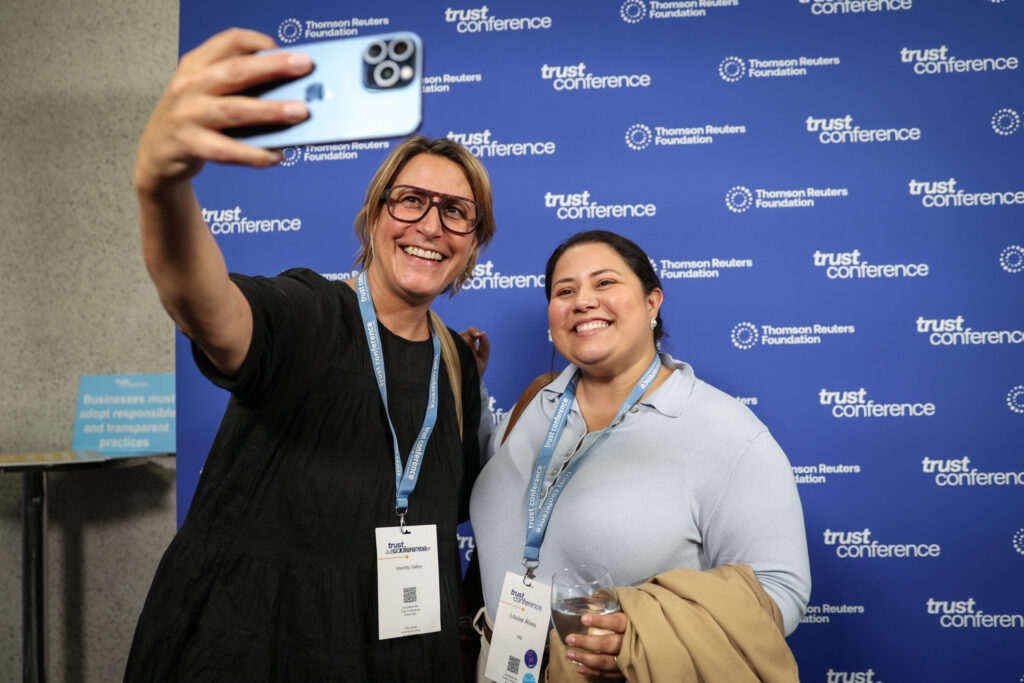
![two women take selfie against branded backdrop]()
How to make your event work harder: before, during, and after the day