The Recipe: Roohi Nayak
How To Engage Gen Z In Communications
New generations, a new era for the workplace. Is your communications strategy prepared?
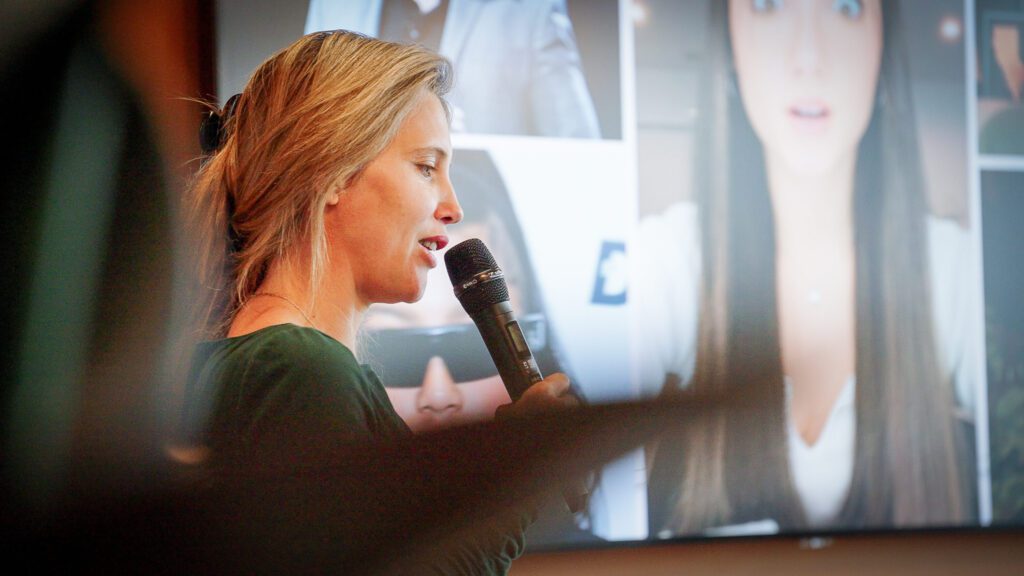
At Broadsword’s B. Inspired: Engage & Lead Through Change event in London, communications leaders explored what the future of the workplace looks like.
Chloe Combi, Futurist and leading next-gen expert, set the scene in an opening keynote saying “for the first time in human history, we are potentially going to have five generations together in an office” – that’s a potential variation of 40 – 50 years. Generation Z, in particular, accounts for 27% of the workforce and is positioned to be the largest generation in the workplace by 2035.
New expectations are already redefining how today’s communications professionals engage their teams – tasked with creating messages that resonate across an increasingly complex audience and better engaging the next generation of talent:
Baby Boomers (1946-1964)
Generation X (1965-1980)
Millennials (1981-1996)
Generation Z (1997-2012)
Generation Alpha (2013-2024)
Spotlight on the workforce of the future – Generation Z and A:
In the generation where TikTok stars have risen to gain more new media power than major news channels combined, it’s no surprise that the new generations of digital natives are using social media to shape their views and expectations of work, giving rise to the entrepreneurial spirit of Gen Alpha. Chloe explained that Next Gen are veering away from broadcast communications and the fight for followers, and opting instead for privacy and community, with Snapchat emerging as the number one social media app amongst Gen A.
The reality is that inside this group and outside of it, people want to be connected emotionally and via physical spaces. Whether because experiential looks good on socials or, on the flip side, that time away from screens is driving the search for economically accessible experiences, this demand has audiences even flocking to Sephora store openings. Chloe took this theory to the audience, asking who would choose tickets to their favourite artists’ gig over a pair of the latest AI goggles … the answer was everyone in the audience. Ultimately, communications professionals that can offer defining and memorable experiences should be utilising this.
Gen Z want progression at work
Despite the myth that all Gen Z want to be working from home, they are excited by opportunities to be in person if there are inspiring experiences and mentorship on offer. Another panellist, Global Graduate Development Manager, Paul Haynes joined us to explore what these generational differences mean in practice explaining the expectations from early career talent is often “what’s the next step?”. Grads have a desire to start build their careers, with development opportunities and pathways top of mind from the get-go. This has led to the potential challenge of low retention in the long term, with Gen Z willing to switch companies to find these opportunities.
The trend is driving meaningful onboarding experiences that are designed to build real skills and offer mentorship, bespoke learning, and challenges to facilitate this progression. Paul referenced a virtual event made in collaboration with Broadsword – where different markets came together for an innovation project – which hit all the high notes for these reasons. It provided the opportunity for graduates to learn real skills and present to senior executives in the finale. The deeper purpose of the event was fulfilled and beyond training, it resonated with the audience, with a live audience tuning in to watch and hosts and contestants made into avatars.
Tips for creating communications that resonate
Let go of generational stereotypes: It’s easy to turn to generational stereotypes for clues about what these employees want from their work experience but, across age groups, people’s expectations and preferences at work often don’t match these stereotypes. Instead of tailoring employee experiences and communication by generation, it’s more effective to treat employees as unique and nuanced individuals rather than members of a demographic segment. One common mistake is choosing to lump together those in one age groups rather than mixing generations to find the best mentors. Chloe emphasised the compatibility between Gen Z with Gen X, leading to greater harmony, productivity, and opportunities for mentorship – with Gen Z expecting that seniors also model the demands made on them.
Flexibility over rigid structures: 3/4 employees now work in some form of hybrid or remote workplace (Gallup) but 70% of employees are most engaged at work by their line manager, so in this hybrid world of work how do you optimise meaningful connection? Flexibility means something different for every employee – often influenced by age group – and different individuals have varying patterns of when they have the most energy or focus. Knowing your people is key to utilising both in person and virtual employee experiences.
New language, same challenges: There comes a point when every worker feels stagnated or disengaged, regardless of their generational group or working environment, and communications should be crafted to build an environment of trust where employees can be honest about their needs. It’s critical to create honest, open dialogue to ensure employees feel seen and heard and for communications to be ahead of change. An inclusive environment can simply mean making the space for individuals to belong, for example, acknowledging that working parents often need flexibility in their working hours or environment or that new starters need investment into their growth and learning.
Events can be an opportunity to engage employees in the story: At Broadsword we often see learning and culture coming together in live experiences. Employees want to be inspired and feel part of the organisation’s story and events are an opportunity to connect your workforce to this meaning. Gen Z in particular are searching for progression and purpose through work and events can facilitate this connection with leadership, provide new experiences and skills development, and engage employees in your culture better than broadcast communications. One of the ways this can happen is during onboarding – or even before your talent joins the company through meet and engage sessions, a buddy system or online activities. Credible communications rank high among Gen Z, with Next Gen employees expect companies to match their messaging with their actions. Specifically people and planet matters, with 55 percent of Gen Zs researching a company’s environmental impact and policies before accepting a job and 17 percent having changed jobs or sectors due to climate concerns. Events that bring together people for a purpose such as volunteering, can unite teams.