Designing events for trust
From URL to IRL: The rise of phone-free events
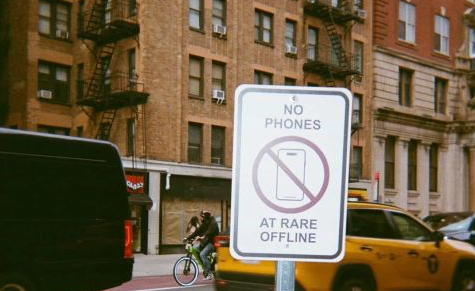
The way people want to experience things has shifted. They are seeking out human experiences at the expense of algorithms, giving rise to phone-free events.
There is a clear desire for mindful and intentional consumption amidst the rise of brain rot – a term used to describe the low-quality content flooding social media and excessive content consumption that can shorten attention spans. Social media has been engineered to hijack consumer’s attention and maximise screen time, thanks to click bait and autoplay features a quick scroll can turn into hours. As social media has become less ‘social’, replaced by passive scrolling habits, Financial Times suggests we have ‘passed peak social media’.
Because of this brands are approaching marketing campaigns with a focus on active engagement – and experiential marketing seems to be the solution. Advertising spend has declined while investment into experiential marketing has risen by almost 8%, with events emerging as a leading channel for marketing investment. Simultaneously consumers are turning towards experiential consumption. Dubbed as the experience economy, spending on goods versus experiences has diverged sharply with customers investing into live experiences, community activities, analogue experiences such as vinyl bars and even digital-detox events.
Digital brands are bringing experiences offline to deepen engagement and connection and phone-free events have simultaneously risen, removing a barrier to socialisation, allowing attendees to break free from their always-on algorithms and fully immerse themselves in human-led experiences. In fact, data from Eventbrite shows phone-free experiences are up 567% globally, signalling a major shift in how people want to gather.
Pinterest says it’s about life, not likes
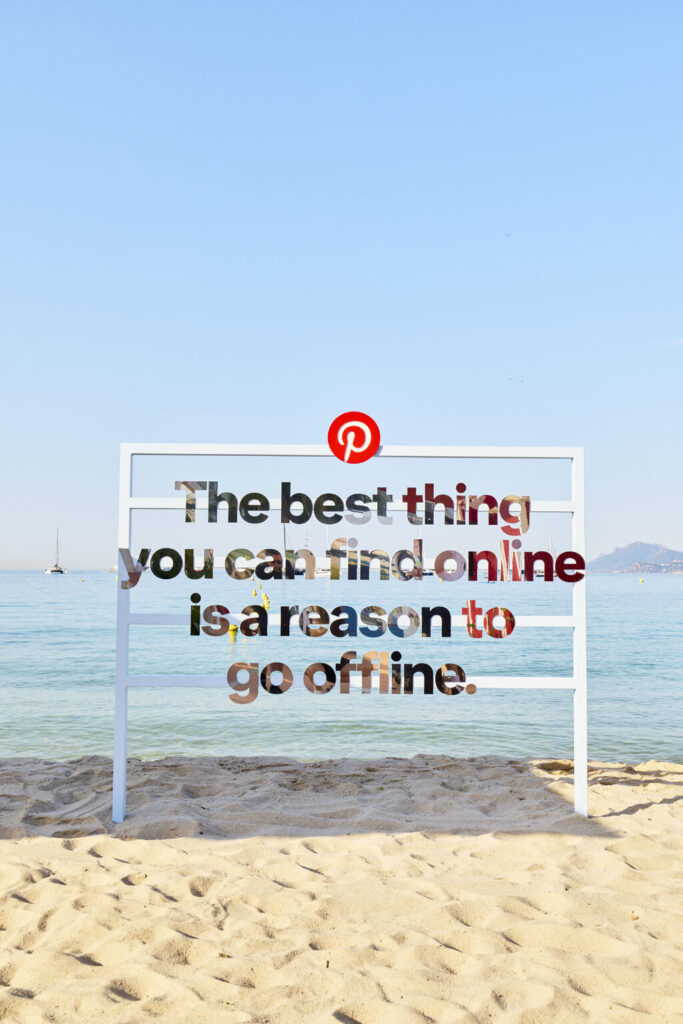
Pinterest are making a pretty bold pitch for a social platform in 2026: log off. Positioning themselves as a platform that takes inspiration off-screen and into the real world, Pinterest’s anti-doom-scroll campaign encompasses activities designed for customers to go from URL to IRL, helping them to use technology with intention and creativity.
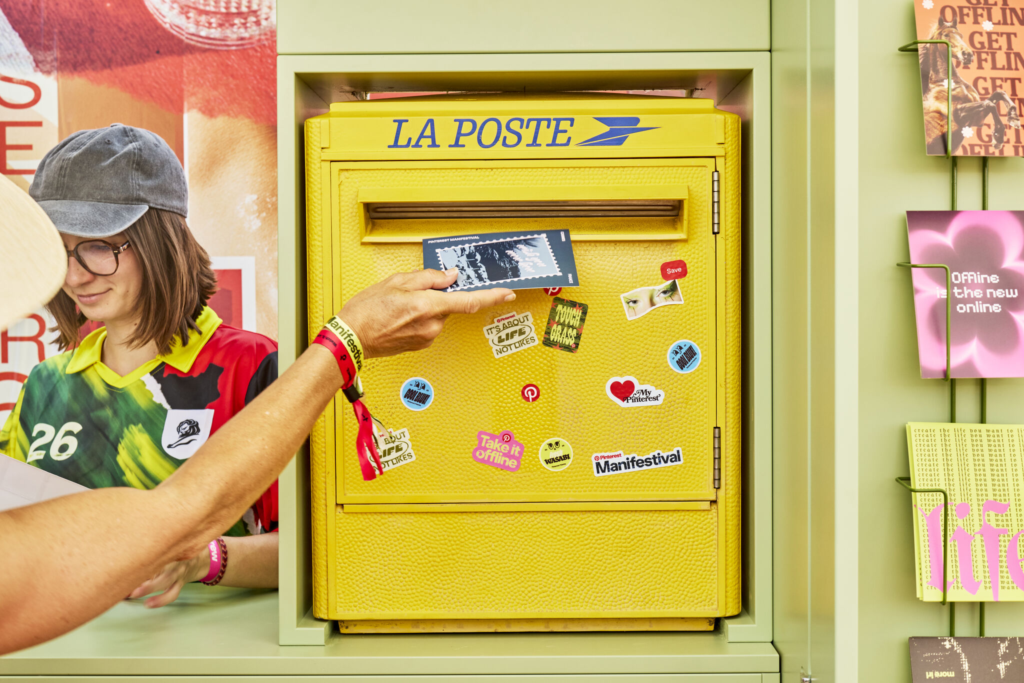
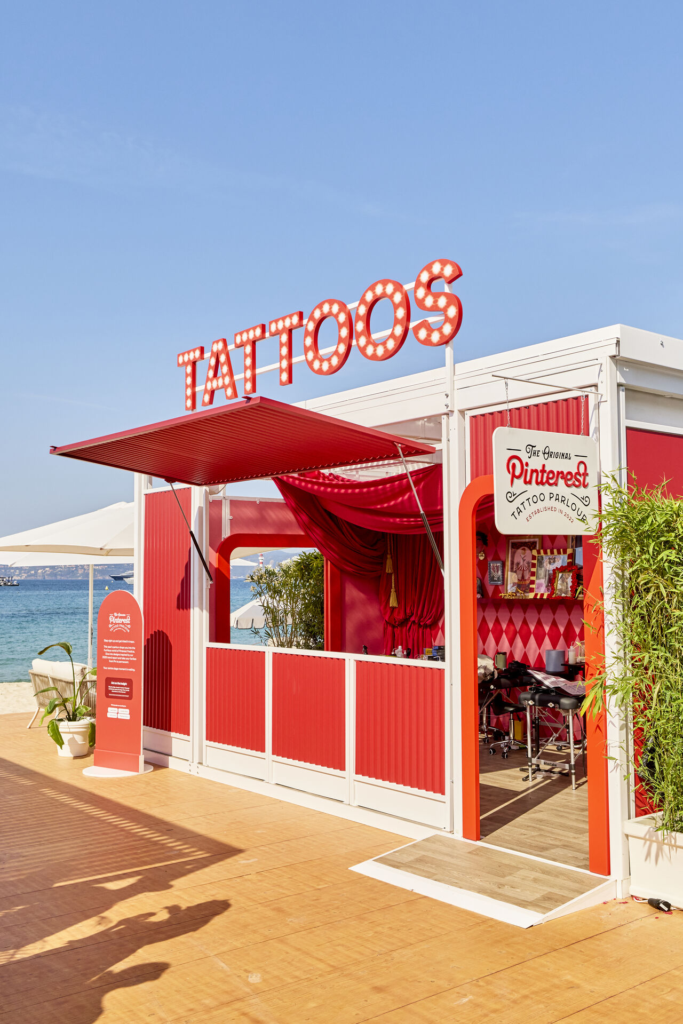
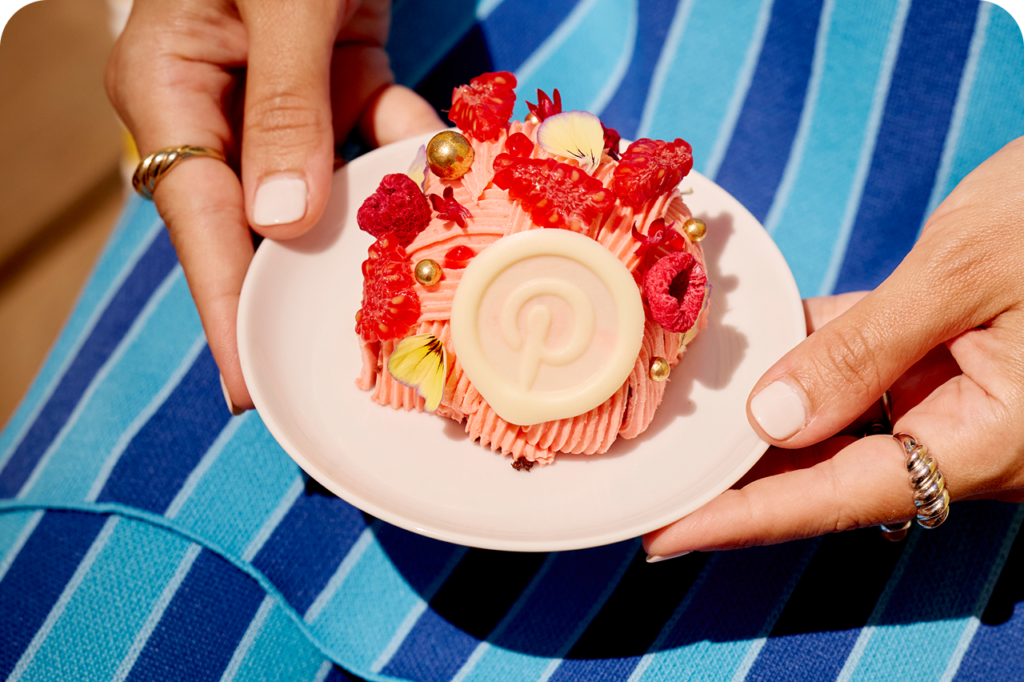
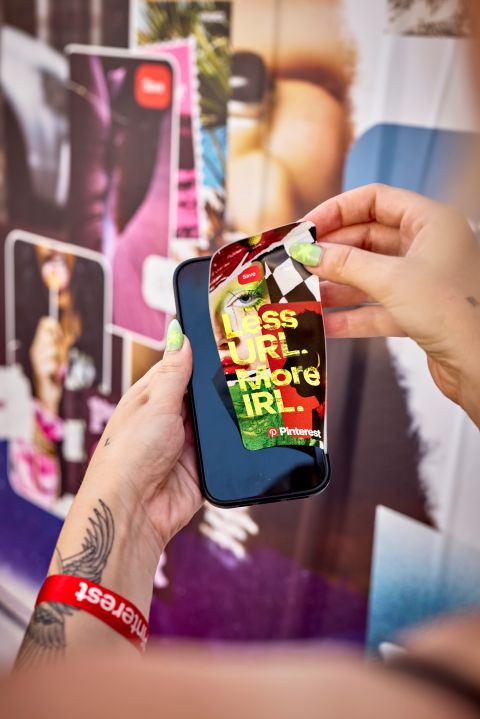
A standout moment from Cannes was their activation that asks guests to stop watching, start living. They promised less scroll. More soul: artist-led activities, a tattoo parlour for permanent souvenirs, hair salon, and The Pinterest Patisserie – turning attendees’ personal taste into a hyper-personalised dessert. Guests enter a real-life Pinterest board that turns inspiration into something they can see, taste, wear and make their own through personalised, unplugged experiences. The activation included the offline social club – a space where guests send handwritten postcards inspired by Gen Z’s rising love for analogue letters, in partnership with the French postal service, La Poste Française.
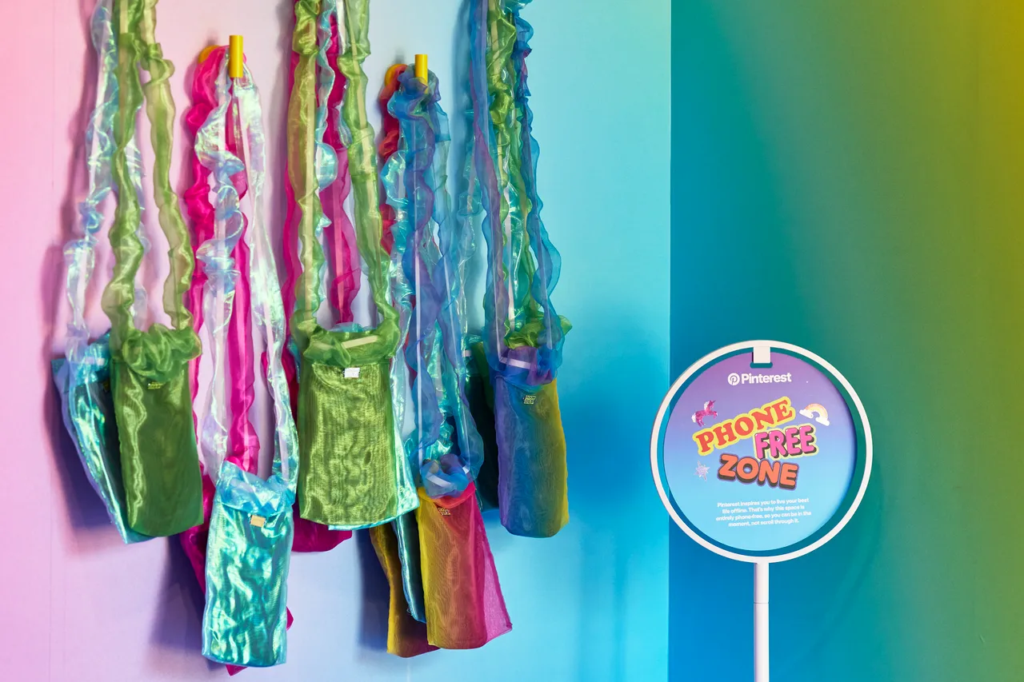
While guests upon arrival received a branded sticker to cover their phone, Pinterest hosted a similar experience at Coachella asking guests to lock their phones in a pouch and step into an experience designed for uninterrupted joy. The festival’s first phone-free activation provided analogue moments like sticker books, postcards, and custom charm accessory making.
Pinterest isn’t alone in this strategy. The company they used for their phone pouches has now facilitated over 20 million phone-free experiences across 10,000 events in 48 countries. Brands like Rare Beauty are tapping into mindfulness, introducing Rare Offline, an intimate (and phone-free) dinner series encouraging real-life connection.
As there is a renewed appetite for experiences that feel tangible and intentional, these phone free events have one thing in common. They are fully immersing their audience in the moment through analogue activities such as card games, digital cameras, and brand newspapers. Brands are able to express their identity through senses, with multi-sensory design being what separates live events as a powerful method to fix a brand experience in memory, deepen engagement, and elicit emotional responses.
For years, brands have designed live experiences with social sharing in mind. But, instead of encouraging attendees to document every moment, these events ask them to experience one. Event design is going beyond what will make the best content. Experience is at the forefront and that’s what makes phone-free events even more memorable and shareable.