The Recipe: Roohi Nayak
Why every global brand needs an event playbook
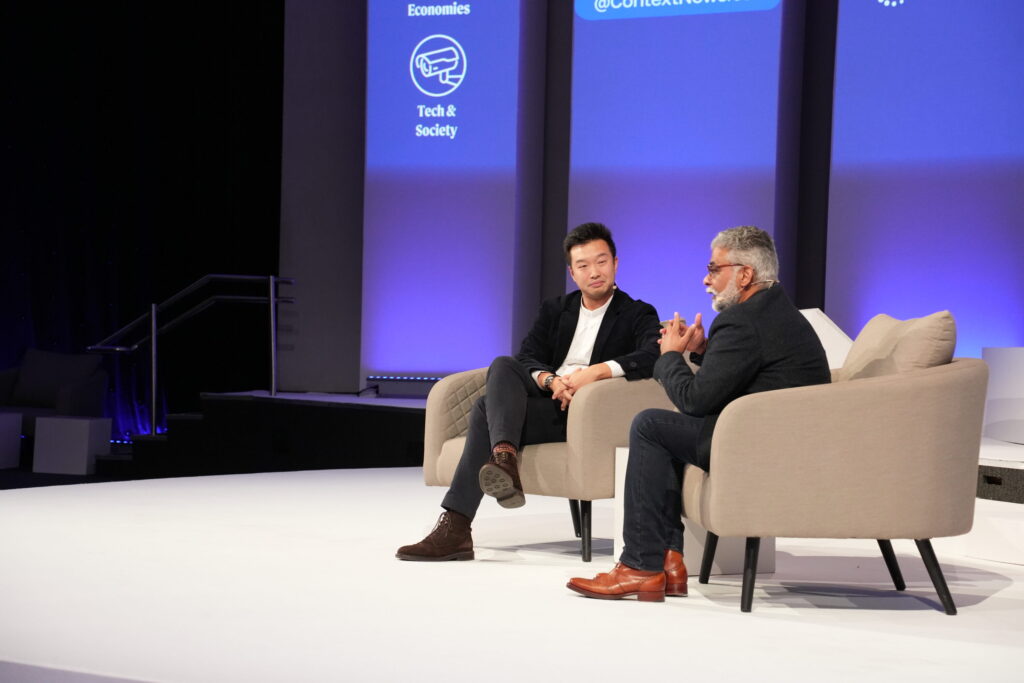
Most organisations have detailed brand guidelines. They define everything from logo dimensions and colour palettes to tone of voice and typography. But when it comes to their events, attending their events in London, Hong Kong, and New York can feel like experiencing three completely different organisations.
The registration experience varies. The stage design looks different. The content feels inconsistent. Even the way delegates are welcomed can change from one region to another. The visual identity may be recognisable, but the brand experience isn’t.
As organisations grow their event portfolios across different markets, agencies, and internal teams, maintaining a consistent experience becomes increasingly difficult. That’s where an event playbook comes in.
What is an event playbook?
An event playbook is more than an operational guide or a set of brand standards. It’s a practical framework that helps everyone involved in delivering events understand how your brand should come to life in the event environment. Importantly, it isn’t about making every event identical. The best event playbooks create consistency where it matters most, while allowing flexibility to adapt to different audiences, cultures and formats.
Why consistency matters
Every event contributes to how people perceive your organisation. For many attendees, an event is one of the few opportunities to experience your brand in person. Those interactions shape perceptions, build relationships and influence future buying decisions long after the event has ended.
Marketing science supports the importance of this consistency. Research from the Ehrenberg-Bass Institute highlights the role of mental availability – ensuring your brand comes to mind in buying situations through repeated, consistent exposure to distinctive brand assets and experiences.
The event environment presents a valuable opportunity to reinforce those distinctive assets, creating memorable experiences that strengthen brand recognition over time.
What should an event playbook include?
Every organisation is different, but the most effective playbooks typically define:
- The role of events within the wider marketing and business strategy.
- Experience principles that guide every attendee interaction.
- Signature moments that make events instantly recognisable and memorable.
- Visual identity across physical spaces, digital content and production.
- Tone of voice for speakers, hosts and event communications.
- Audience journey from invitation through to post-event follow-up.
- Measures of success, looking beyond registrations and attendance to include longer-term brand impact.
Together, these elements create a shared framework that can be used by internal teams, regional offices and agency partners alike.
From individual events to an event portfolio
Broadsword has worked with organisations to review their global event portfolios, looking beyond individual events to understand the overall experience they are creating. Often, the objective isn’t to redesign every event. It’s to identify the common threads that should run through them all. When those principles are clearly defined, every event becomes another opportunity to reinforce the brand. Rather than feeling like a collection of disconnected activities, the portfolio starts to feel intentional, recognisable and cohesive.
An extension of your brand
Brand guidelines tell people what your brand looks and sounds like. An event playbook defines how it feels.
It’s the bridge between brand strategy and live experience, helping organisations create events that are consistently recognisable, regardless of location, audience or delivery team. As WARC’s evidence on distinctive brand assets highlights, consistent use of memorable brand cues helps create stronger mental shortcuts and improves brand recognition over time.
When every event reinforces those cues in a meaningful way, the impact extends far beyond a single day. It creates a connected portfolio of experiences that strengthens trust, builds recognition and helps ensure your organisation is remembered long after attendees have left the venue.