Impactful Charity Events: The Guide
Why trust is a B2B brand’s best friend
Today it’s hard to tell what’s real and what’s fake online and, according to the latest Edelman Trust Monitor data, distrust is the default mode for over 50% of modern consumers.
To thrive in this crowded world where AI is becoming the first point of discovery, being visible and grabbing attention isn’t enough. Trust has become marketers’ most valuable currency and how brands will differentiate themselves, with 94% of marketers agreeing that trust is the key metric for B2B success in 2026.
For marketers designing for trust, live events are one of the most impactful channels. Through events, brands can create the familiarity and credibility that only comes from human connection, showing up tangibly, and getting people in the room. In fact, research has proven brand trust shoots up post-event, particularly in a B2B environment, where trust is the overwhelming driver for customer behaviour and the most valuable outcome for B2B brands, more now than ever. Every B2B marketer knows the importance of relationships, and it’s trust that powers success.
Broadsword works with some of the leading financial and professional firms in the world, specialising in delivering corporate events in the financial, fintech, professional services, and political sectors for over two decades. Our clients trust us to deliver their events professionally and connect them effectively to their audiences – which is what drives our business. And for sectors like these, trust is a non-negotiable and powerful differentiator.
First of all, how do we define trust?
When a customer trusts a brand, they instinctively believe that brand is right for them and use this as a shortcut to make decisions and choose that brand over others, even if it means paying more for their products. This is because they are confident that brand delivers on its promises and a halo effect comes from this.
Cognitive trust can be defined by rational thought and evidence, stemming from a customer’s assessment of a brands’ reliability and competence. Affective trust on the other hand is rooted in emotions, developing from a personal connection to the brand based on their values or customer interactions. Humans often feel first and think second, even when it comes to the B2B sector.
This makes trust an important metric, measured by how customers feel about your brand – sentiment analysis, net promoter score, customer engagement and brand activity including referrals and event attendance.
How to build brand trust
Brand trust comes with the caveat that it’s not something brands are given or can easily replicate. It’s something they have to earn over time and work hard to keep. Brands must create the right conditions for associations of trust to be formed in the mind of the customer. Touchpoints such as an excellent product, customer experience, responsible practices, and company communications all contribute to building confidence in your brand.
Consumer trust is earned through everything a brand says and does: Share your mission and deliver on it, consistently acting in line with your values and core principals.What you say and do is who you are, so creating consistency between messaging and customer experience underpins trust.
Lead with transparency: Honesty and transparency are the key to building consumer confidence. Tell people what you are doing, why you are doing it, and admit when you get it wrong. A stand out example is KFC’s ‘FCK’ campaign. Think about how you can show you are listening to customer feedback and showing up for them responsively.
Connect at a human level: Create a human face for your brand through employee advocacy and social proof from happy customers. Buyers are more likely to choose a vendor recommended by someone they trust, proving real networks drive credibility. Welcome customers into your community and culture, and in turn think about which relevant part of a customer’s life your brand can connect to.
Prove expertise: If your brand builds associations with superior performance, customers know you do things reliably and consistently. Provide proof points such as data, testimonials, case studies, and awards.
Be responsible: Customers, now more than ever, are choosing brands that demonstrate corporate social responsibility and integrity. It’s about the business behind the brand looking after its people and planet, and having a voice on important societal topics, rather than just caring about profit. CSR now accounts for a large proportion of reputation and customers will vote with their feet when it comes to supporting business that align with their beliefs, reflected in the fast-growing B Corp movement.
Build your brand through events: The average customer sees up to 10,000 ads per day so building a brand world where audiences can experience and engage with a brand hands on and with higher attention, supports more responses like trust to take place over vanity metrics. In fact,77% of attendees trust a brand more after an interaction at a live event.
How to build trust through events
Building relationships comes from showing up, listening to and investing in your customers. Events are a people-powered avenue to do this. They bring advocates, partners, employees, trusted voices, audiences, and customers together under one brand community where honest conversations and shared insight can happen. Through events you can provide real value.
Digital touch points simply can’t replicate the trust that’s built from face-to-face interaction, spontaneous conversations, and energy in the room. Yet events also serve as an opportunity to capture your brand story, community, and behind the scenes through content that translates online. Capturing genuine emotions and hearing from people through on-site podcast studios, interviews, behind the scenes, and follow up webinars are all examples of people powered content.
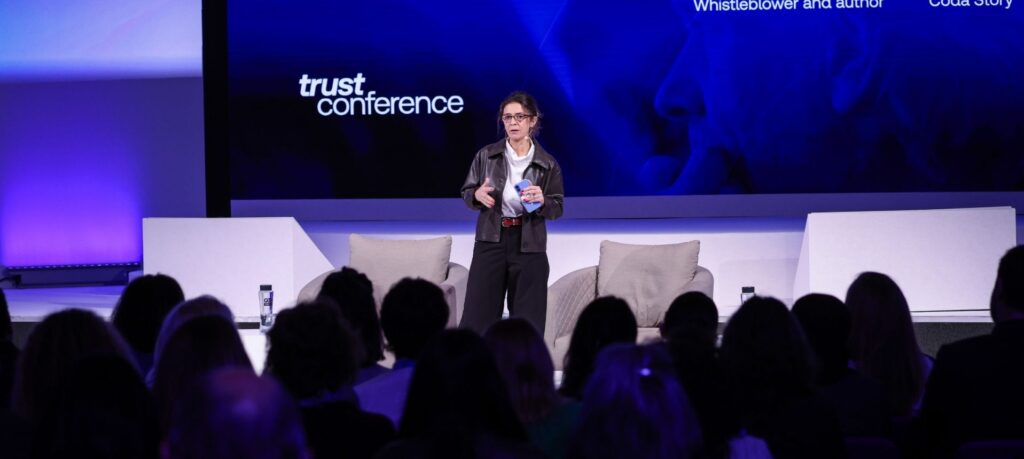
- A critical signal of trust is not just what your brand says but who says it whether it’s an employee being able to showcase their expertise or a leader inspiring their teams. Ensure you have expert representatives as part of the experience and bring respected experts on stage that can show credible data, provide practical takeaways, and answer the tough questions. Content sessions that make space for dialogue and centre around relevance are far more effective than overly scripted, overly salesy, and overly long keynotes. A critical signal of trust is not just what your brand says but who says it whether it’s an employee being able to showcase their expertise or a leader inspiring their teams.
- Thought leadership has always been about trust and is an integral way for marketers to deliver brand value. LinkedIn reports that nearly 3 in 4 decision makers say thought leadership is a more trustworthy way to assess a company’s capabilities than its product sheets or marketing materials. It makes leads more open to outreach when they get something like insights in return over a sales pitch. Thought leadership is a mechanism to showcase that you understand your customer’s world, you are on top of market trends, know where to invest a budget, and can be a trusted advisor. The best events deliver genuine value through insights and inspiration.
- Spark action through trials, demos, and peer-to-peer conversations. Audiences respond to being able to get hands on with a product in demos as well as interactive activations and immersive design.
- Use AI as a tool, not the main event. Technology and personalisation only works if it truly improves the experience and matters to your audience. Despite mistrust of AI though, there is a growing appetite for it to be used intelligently in events to help attendees connect to the right content for them. Event technology like Braindate which facilitates meaningful peer-led conversations can be implemented to provide real value to attendees as for role-based sessions and small group roundtables prove the most engaging.
Related insights
How to make your event work harder: before, during, and after the day
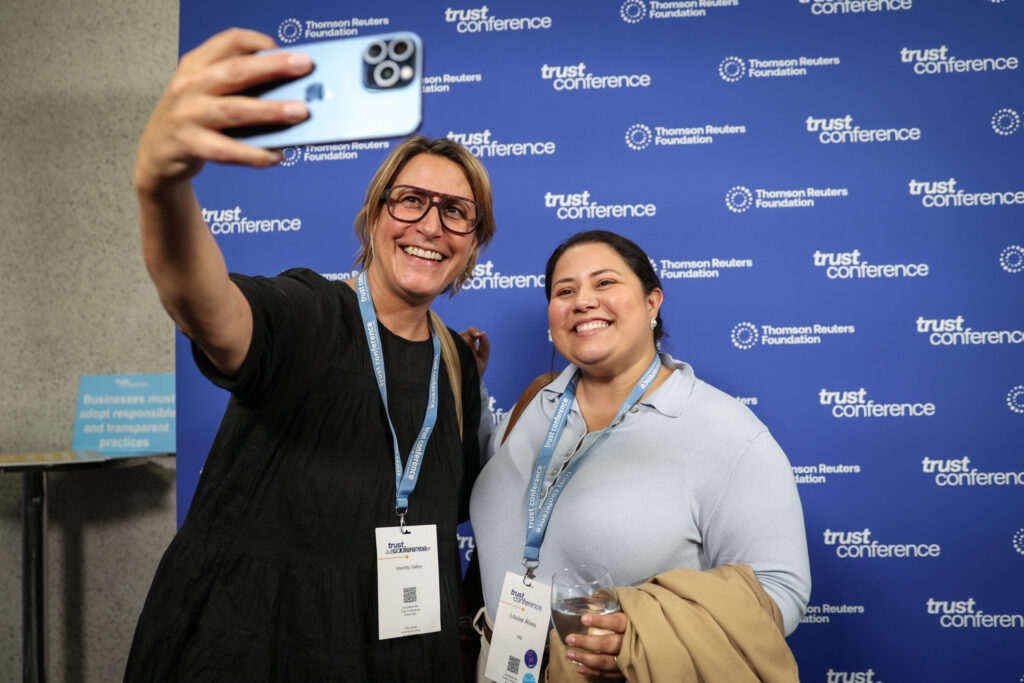
![two women take selfie against branded backdrop]()
How to make your event work harder: before, during, and after the day