The Recipe: Roohi Nayak
Print with Purpose
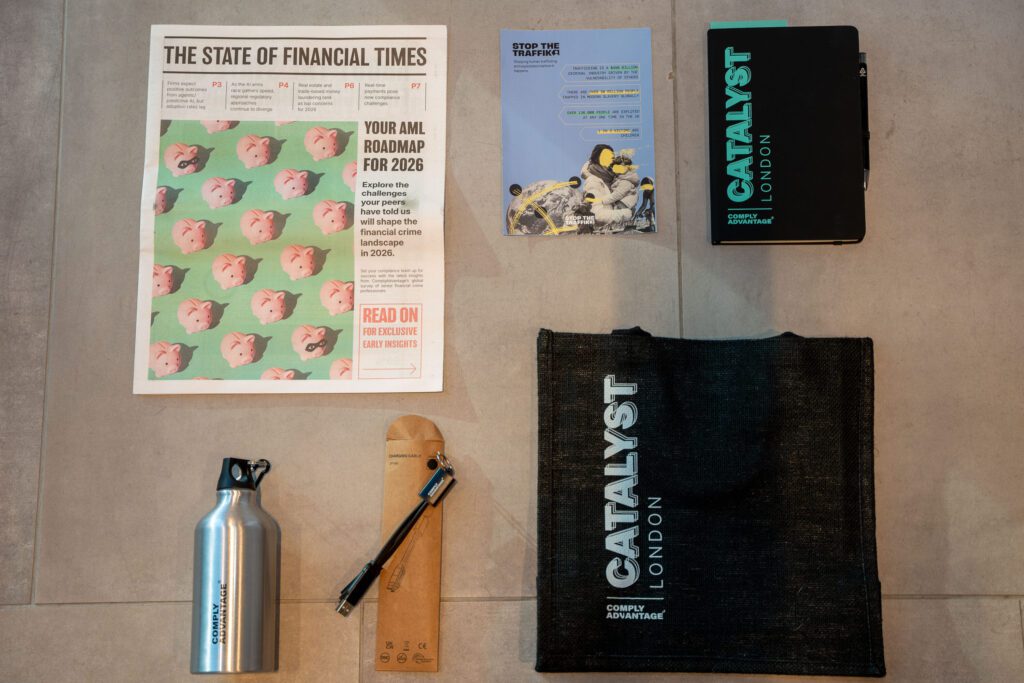
From pop ups and exhibits to conferences, print including graphics and signage plays a central role in setting the stage, branding the environment, and informing audiences.
These materials don’t just disappear when the show’s over. Making up to 40 – 60% of an event’s total waste, print is having a significant environmental impact. A large part of this impact is that it is often used once and discarded, ending up in landfill or incineration – a foam sign used for a one-day event can takes up to 400 years to decompose.
Working towards zero waste print is a design principle that cannot be solved post-event but must be part of your strategy from the concept stage with reduction at the centre of your planning. Every material chosen in this strategy has a direct impact on environment, ripples through the supply chain, and shapes the legacy of your event. It’s time to start making better informed choices – choosing recycled materials over virgin and choosing durable installations that can be used again and again. We’ve put together a short guide designed to help you understand what better alternatives exist and to take your print choices to better and best in industry.
How to make sustainable print part of your strategy
Buying better materials: Every material choice in event production has a carbon footprint and the reality found in Isla’s Temperature Check 2025 shows that we haven’t just got a waste problem, but a sourcing one too. The findings revealed that 75% of case studies used virgin materials, with the majority of materials used in event print, such as Foamex, MDF, carpet, and even paint, originating from virgin resources. Only 20% were made from less than 50% recycled materials and only 4% reused or reclaimed.
When sourcing graphics for your event, take some time to look at the materials used. There are often symbols and certifications to look out for, providing information on whether the material is easily recyclable, compostable, made from FSC or PEFC approved wood or recycled materials. A certified Cradle to Cradle product has met a global standard for circular design – meaning it has been created using materials that can be recycled or repurposed indefinitely and manufactured responsibly across its entire lifecycle.
It seems the obvious first step to move away from plastic as a single use material, yet not all plastic is created equally and it’s important to understand which plastics are most damaging to the environment. PVC, PP, and PET for example are widely accessible materials for production (often used for signage boards, banners and flags and vinyl wraps) yet they are all produced with fossil fuels and cause direct damage to our environment. PVC (Polyvinyl Chloride) alone hinders the recycling of other plastics and pollutes the air when burnt. It’s often these print materials that have acronyms which are hiding harmful chemicals in their names. It’s best to avoid plastics such as vinyl (which is a single use material that’s impossible to recycle) and look for alternative materials. However, paper-based boards are only recyclable if printed directly to media, so you should also ensure your finishings.
Basic: If you do need to use PVC, opt for thinner boards between 3-5mm
Better: If you need a durable material for a longer or outdoor event, consider PP (polypropylene) boards as a more sustainable alternative. Vinyl can be swapped out for PVC free versions, with specialist recycling required, such as nu print, grafityp, and GEF PVC FREE.
Best: swap out materials like Foamex with large environmental impacts for recyclable materials like dufaltye, reboard, e-fulte, and Stadurr which are paper based materials. Swap Vinyl for Latex with aluminium base and PVC free polyester. Some other innovative materials worth a mention include Smile Plastics, honext, rewind carpets, auro paint.
Reducing Print waste at your event: Consider at the design stage what digital alternatives there are to printed branding and signage. For example, replace business cards and brochures with QR codes and touchscreens. As creatives, we aim to push the boundaries and solve problems rather than sticking with old habits – questioning if there is an opportunity to innovate with our event design to reduce or even eliminate print.
Reducing waste post-event can come from recycling, reusing, or donating but there must be an intentional system in place to ensure your printed elements are actually diverted from landfill, rather than just choosing a material that can be recycled. Ask your suppliers and venues what pathways they can facilitate. Suppliers that prioritise sustainability often have a range of options and networks to help you ensure zero waste. For example, Broadsword often creates durable branded installations for our clients’ events that can be used again and again, whether installed at offices or at future events.
Spotlight: Event Cycle work to divert pieces of event furniture from disposal, giving the pieces a second chance at life post-event, identifying redistribution routes for these leftover items through partner charities, community groups, and social enterprises.
Rethinking your print policy:
As part of a wider strategy to eliminate waste, prioritise redesigning processes as your goal in line with the zero-waste hierarchy. This is followed by reuse and repurposing of existing assets, before looking at alternative ways of using or processing these – like refurbishing. Recycling, while a better alternative, comes in pretty low in the zero Waste Hierarchy due to the energy intensive processes required.
For the best approach of rethinking and redesigning, include building sustainable supply chains and policies. Sourcing locally builds resilience and reduces imports, and creating close partnerships with your vendors allows you to collaborate to create a circular system in which all materials are designed to be reused, repurposed, or recycled and there is pathways to do this post-event.
Spotlight: Vision Print
In our 2024 Impact Report, we introduced the goal of eliminating print related waste at the events we produce with an employee led project – Vision Print. This began with locating print suppliers whose sustainability goals and credentials align with Broadsword’s.
We identified Seacourt as a preferred supplier as they are the world’s highest scoring B Corp print business and have sent zero waste to landfill since 2009. We spent the day with Seacourt to explore the efforts they’ve made to drive sustainability and tour their printing facilities. We were impressed with initiatives such as their use of 100% renewable energy, their net negative carbon output, and their proprietary method of printing which uses no water and 100% VOC free ink. This relationship provides us with a benchmark to compare print suppliers and we aim to work with Seacourt across more projects in 2026.
The main aim of the project is to achieve zero landfill for all print outputs from our agency. We’ve encouraged the entire team to prioritise this when sourcing and costing print, asking all of our large format print suppliers to complete a costing exercise and share predicted quotes to be stored with sustainability credentials, allowing our team to make informed decisions even while planning under time pressure.
We’ve also recently added lines to our formal documents across brief and debrief stages to help our team ask clients, suppliers, and venues to explain what is possible in terms of managing waste including print from the beginning of the project and post event. Additional efforts are also encouraged through liaison with clients to ensure items such as badges are recycled post-event. In 2025 we used both digital badges as well as badge recycling stations numerous events.
Read more about Broadsword’s sustainability initiatives in our annual impact report